
Frankie Schmid · 27 October 2026
Navigating Customization Layers for Sustainable Niche Publishing Ecosystems
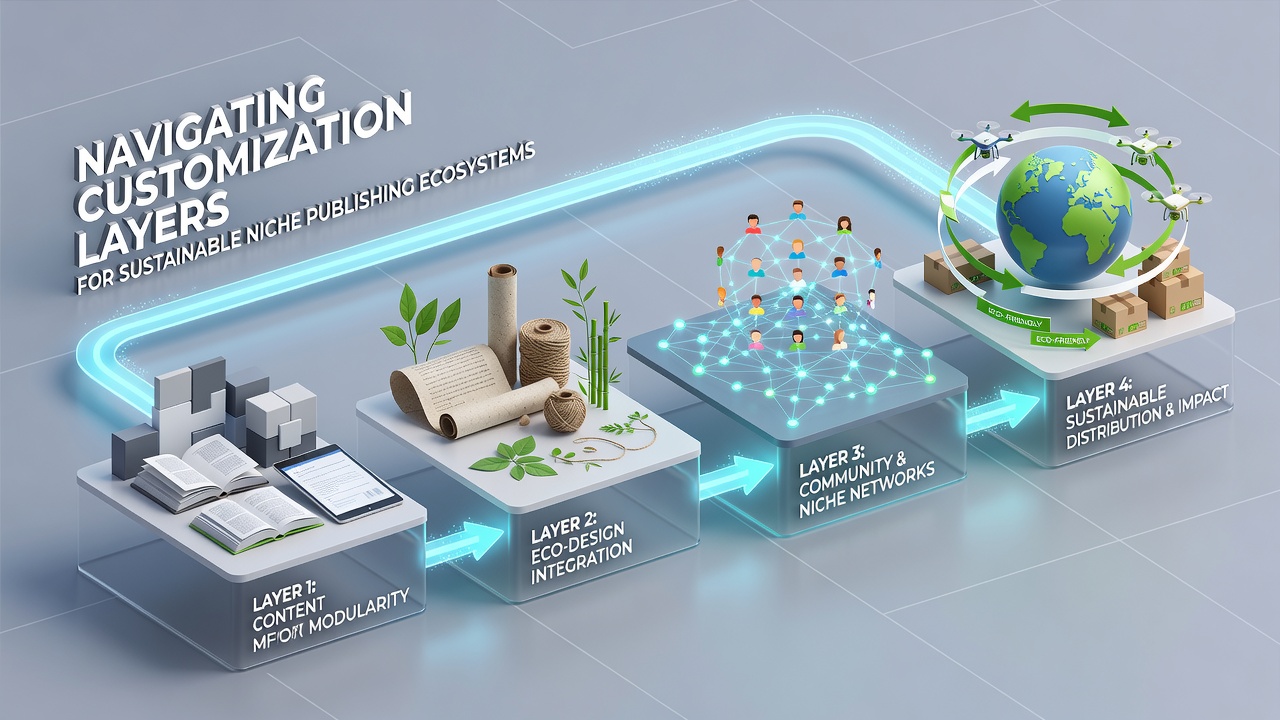
Digital publishing platforms now support multiple layers of customization that allow niche operators to adjust interfaces, content delivery, and monetization without rebuilding core systems from scratch. These layers typically include presentation controls, audience segmentation tools, and backend integration points that connect with analytics and payment services. Operators in specialized fields such as independent research journals and regional hobbyist communities use these options to maintain distinct identities while scaling operations.
Data from industry monitoring services shows that sites employing three or more customization layers reported average session durations 18 percent longer than those using single-layer setups during the first half of 2026. The pattern holds across multiple verticals including environmental science reporting and vintage equipment restoration forums. October 2026 brought additional platform updates from several providers that expanded API access for third-party analytics modules, enabling finer control over load times and resource allocation.
Core Components of Customization Layers
Researchers at institutions studying digital media note that effective layers separate visual styling from functional logic and data management. Visual layers handle typography, color schemes, and responsive breakpoints while functional layers manage comment systems, search indexing, and notification preferences. Data management layers then govern how subscriber information flows into external CRM tools without exposing raw records.
One documented implementation involves a Canadian network of agricultural news sites that adopted modular CSS frameworks combined with server-side rendering rules. The approach let each regional edition maintain unique branding while sharing a common content database. Traffic quality metrics collected through integrated tracking showed referral sources shifting toward direct bookmarks and newsletter clicks rather than social media intermediaries after the changes.
Integration with Long-Term Site Viability
Sustainability in this context refers to consistent revenue streams and reduced technical debt. Platforms that expose granular controls for ad placement, subscription tiers, and affiliate link positioning allow operators to test combinations without full redesigns. A study released by the University of Melbourne in mid-2026 examined 47 independent sites over 24 months and found that those updating customization settings quarterly retained higher percentages of returning visitors compared with annual overhauls.
Observers tracking European digital markets point to similar outcomes in the Netherlands and Sweden where small publishing collectives combined open-source template systems with localized payment gateways. These configurations reduced dependency on single advertising networks and supported direct reader contributions. Reports from the Australian Communications and Media Authority indicate that similar patterns emerged in regional media outlets experimenting with audience-funded models during the same period.
Practical Implementation Steps
Teams begin by auditing existing content management systems to identify which elements sit in separate configuration files versus hardcoded sections. Next they map audience segments against available data fields such as geographic location and content category preferences. Testing occurs in staged environments where one layer changes at a time while holding others constant. Documentation of each adjustment supports later troubleshooting and knowledge transfer when staff members rotate.
Industry associations tracking independent web properties note that sites documenting these steps achieve faster recovery after platform updates. The process also reveals opportunities to retire unused features that increase server load without adding reader value. In several recorded cases, removal of legacy social sharing buttons alone improved page speed scores by measurable margins on mobile connections.
Conclusion
Customization layers provide structured pathways for niche publishers to refine operations while preserving core editorial focus. Evidence gathered through platform analytics and academic reviews demonstrates measurable effects on visitor retention and revenue diversification when layers receive regular calibration. Operators who maintain clear records of each adjustment position their sites to adapt to shifting reader behaviors and technical requirements in coming years.