Sage Franke · 15 September 2026
Exploring Tool Integration Strategies for Niche Website Maintenance and Growth
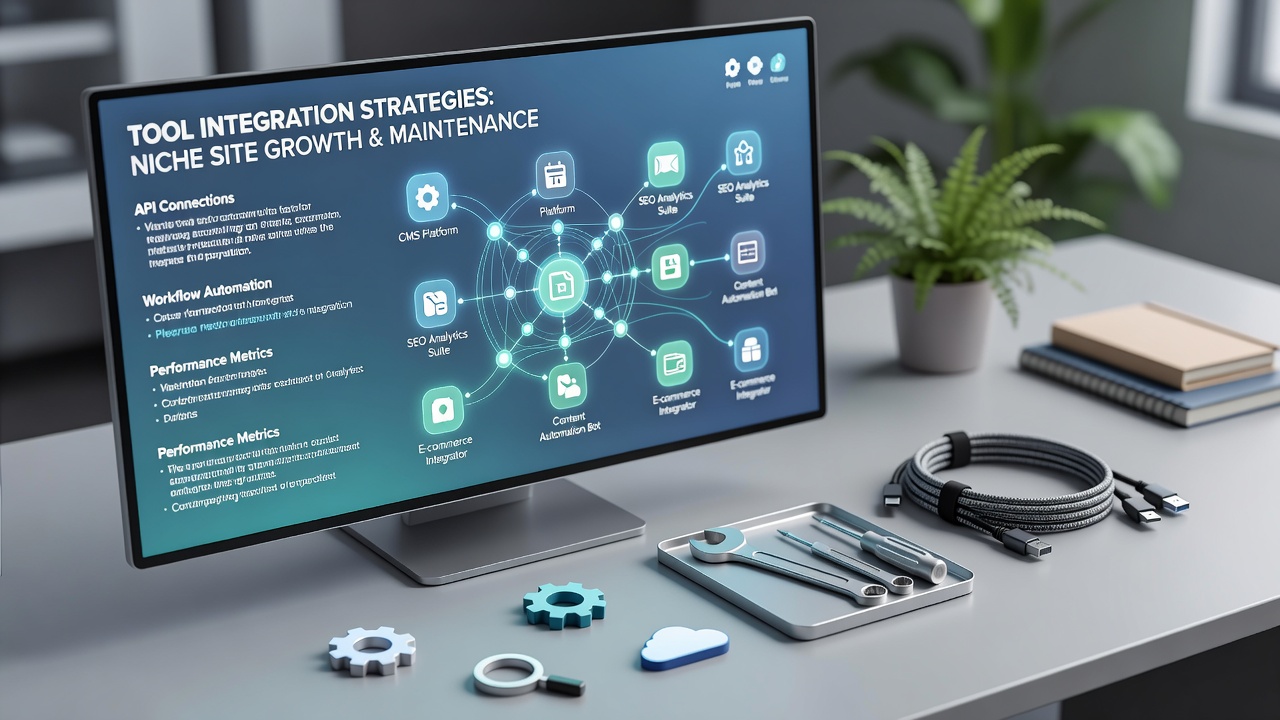
Tool integration plays a central role in how niche websites handle daily operations while pursuing expansion, and data from industry reports shows that coordinated systems reduce manual workloads by combining functions across platforms. Those managing specialized sites often connect content management systems with analytics suites, automation services, and security layers to keep performance steady over time. Research indicates that sites using integrated toolsets experience fewer disruptions during updates, since changes in one area propagate automatically to others through established APIs and webhooks.
Core Components of Effective Integration
Observers note that successful setups begin with identifying core needs such as content scheduling, traffic monitoring, and user engagement tracking before selecting compatible services. A common approach involves linking a primary CMS like WordPress or custom frameworks to tools that handle backups and performance monitoring, which creates a unified dashboard for oversight. Data shows that this method cuts down on errors that arise when teams switch between separate applications, and it supports consistent data flow for decision making.
Security protocols form another layer where integration proves useful, as vulnerability scanners can feed alerts directly into notification systems that trigger immediate responses. Those who oversee niche sites report that automated patching routines linked to hosting environments maintain compliance standards without requiring constant manual checks. In September 2026, updates to several popular integration platforms introduced enhanced encryption options that align with evolving data protection requirements across multiple regions.
Maintenance Strategies Through Connected Tools
Maintenance routines benefit when monitoring services connect to inventory systems that track plugin versions and theme updates across the entire site structure. Evidence from operational analyses reveals that automated alerts prevent outdated components from creating entry points for issues, while scheduled scans run during low-traffic periods to minimize visitor impact. People running niche publications often combine these with backup solutions that store versions offsite, allowing quick restores if problems occur.
Workflow automation extends to routine tasks like image optimization and database cleanup, where scripts pull data from analytics tools to prioritize which elements need attention first. This connected approach keeps load times stable, and figures from performance studies indicate measurable improvements in server response rates when such linkages operate continuously.
Growth Tactics Enabled by Seamless Connections
Expansion efforts gain momentum when marketing platforms integrate with site analytics to deliver targeted campaigns based on real visitor behavior patterns. Research from academic sources highlights how email systems that sync directly with content calendars allow for timely distribution of new material without separate data exports. Niche sites focused on specific audiences use these linkages to segment lists more precisely, resulting in higher engagement metrics according to campaign reports.
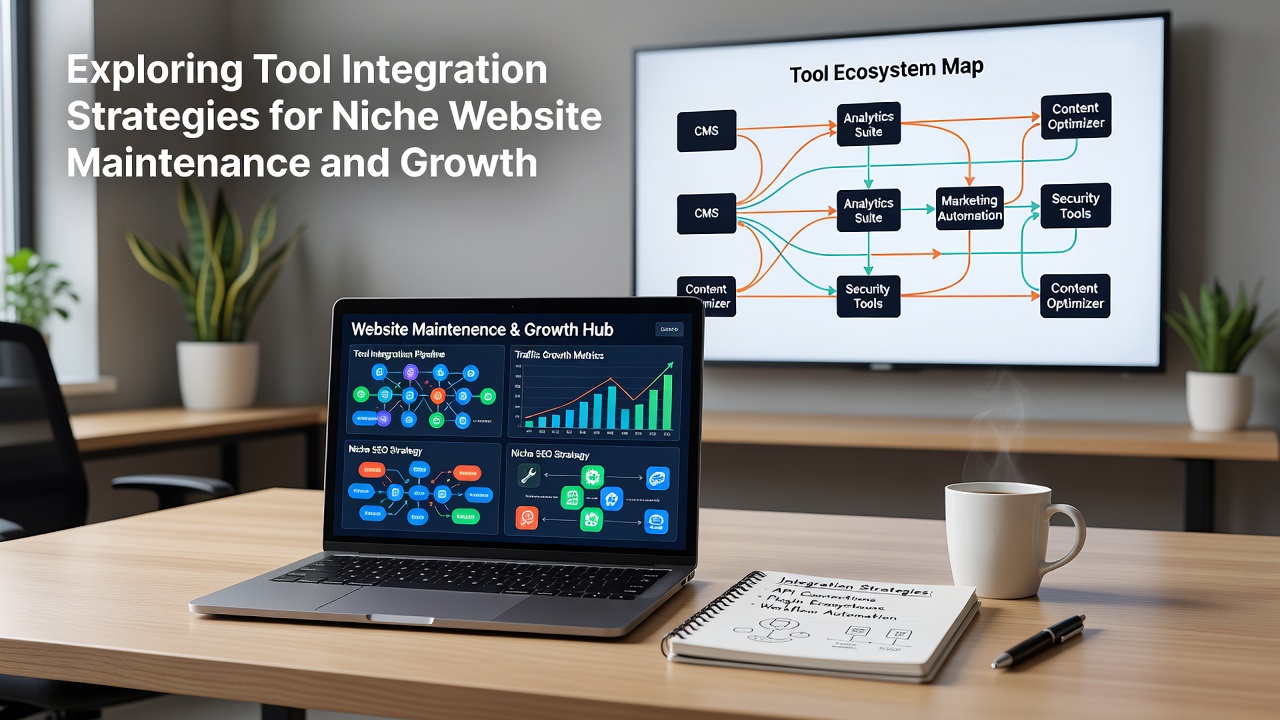
Search optimization tools that pull ranking data into custom reports further support growth by highlighting opportunities in real time. Those handling independent sites find that connecting these with social scheduling services creates a feedback loop where performance insights inform future posting strategies. Australian Bureau of Statistics figures on digital adoption show steady increases in businesses leveraging such coordinated systems for audience development.
Implementation Considerations and Examples
Planning an integration project requires mapping data fields between services to avoid mismatches that could disrupt reporting accuracy. Experts observe that starting with a small set of tools and expanding gradually reduces complexity, while testing environments allow teams to verify connections before full deployment. One documented case involved a regional interest site that linked its inventory management with customer notification tools, which streamlined product updates and led to more reliable stock information for visitors.
Scalability becomes a factor as traffic grows, and cloud-based connectors often handle increased loads better than standalone scripts. Data from European Commission digital economy reports points to improved operational resilience when sites adopt standardized integration methods that support multiple providers simultaneously.
Conclusion
Tool integration strategies for niche website maintenance and growth rely on careful selection of compatible services that address both operational stability and expansion goals. Connected systems deliver consistent performance through automated processes, and ongoing developments in platform capabilities continue to expand available options. Those responsible for specialized sites benefit from approaches that prioritize data accuracy and workflow efficiency across all linked components.