
Henrik Lorenz · 13 October 2026
Enhancing Multi-Format Content Delivery in Independent Publishing Through Specialized Platform Features
Independent publishers have increasingly relied on specialized platforms to handle diverse content types such as written articles, audio podcasts, video segments, and interactive elements while maintaining efficient distribution across channels. These platforms integrate tools that streamline format conversion, optimize delivery speeds, and ensure compatibility with various devices and reader preferences.
Data from industry analyses show that multi-format approaches allow smaller operations to compete with larger media outlets by reaching audiences who consume content in different ways. Researchers have documented how features like automated transcoding and cross-format analytics help track engagement without requiring separate workflows for each medium.
Core Platform Capabilities for Format Support
Specialized platforms typically include built-in modules for embedding metadata across formats, which facilitates search engine visibility and accessibility compliance. Observers note that such modules often incorporate APIs connecting to external services for real-time subtitle generation and audio enhancement, reducing manual effort for publishers handling mixed media libraries.
Studies from academic institutions indicate that integrated content management systems reduce delivery errors by coordinating file types through unified pipelines. Those who manage independent sites frequently report smoother operations when platforms offer version control that tracks changes across text revisions, audio edits, and video clips simultaneously.
Distribution Mechanisms and Audience Reach
Effective delivery depends on features supporting syndication protocols like RSS extensions and adaptive streaming standards that adjust quality based on connection speeds. Evidence from digital media reports reveals that platforms equipped with these capabilities enable independent publishers to distribute content to aggregators, social networks, and direct subscriber feeds without custom coding for each destination.
In October 2026 several platform providers introduced updates focused on enhanced podcast indexing and video chapter markers, which align with evolving search behaviors documented in consumer data sets. These additions build on existing tools for newsletter integration and mobile app push notifications, creating cohesive experiences for readers who switch between formats mid-session.
Analytics and Optimization Tools
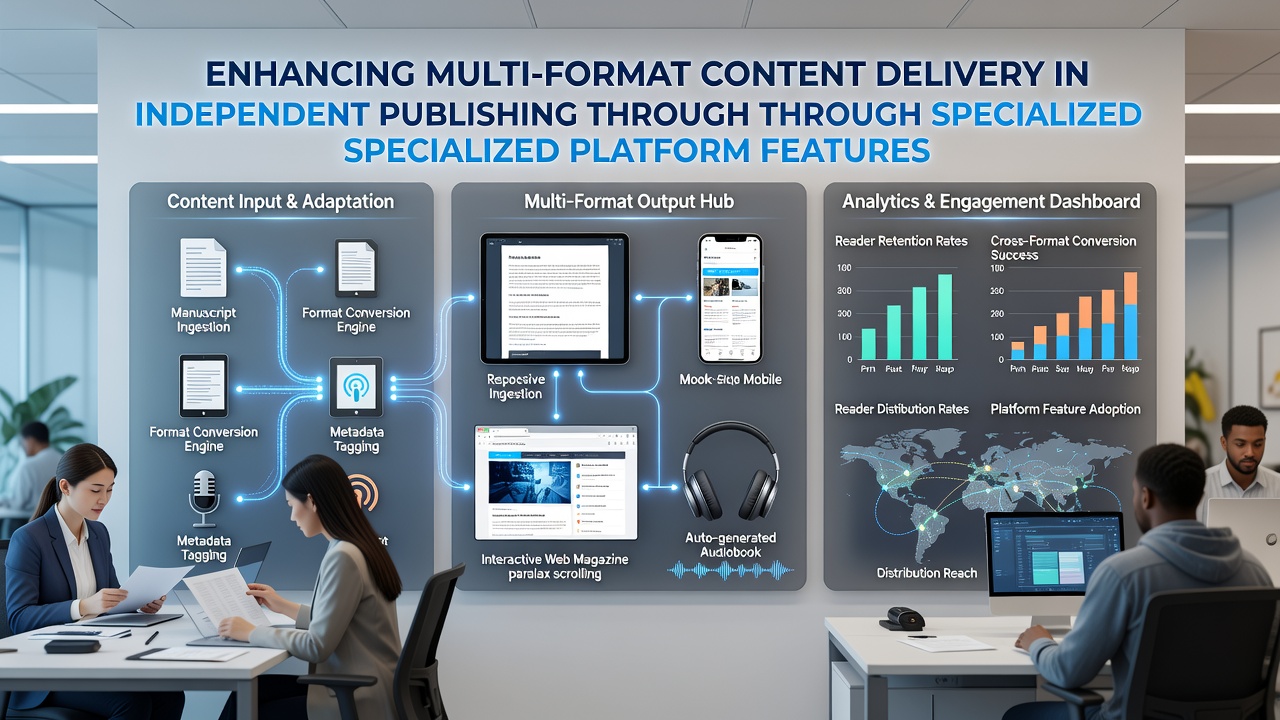
Advanced analytics within these platforms break down performance metrics by format, revealing patterns such as higher completion rates for audio on mobile devices compared with video on desktops. According to findings from the OECD digital economy reports, publishers utilizing segmented data achieve more precise adjustments to content length and pacing across different media.
Features like A/B testing for thumbnail variations and transcript searchability further support retention efforts. Those who have examined usage logs across independent sites observe that combining quantitative data with qualitative feedback loops leads to iterative improvements in how formats are presented to specific demographics.
Integration with External Services
Many platforms connect directly to payment processors, ad networks, and archiving services, allowing revenue models to adapt to each format without fragmented setups. A report issued by UNESCO on digital media sustainability highlights how such integrations help smaller publishers maintain compliance with regional data standards while expanding format offerings.
Security protocols embedded in these systems protect intellectual property during multi-format transfers, employing encryption that scales with file size and type. Publishers benefit from centralized dashboards that monitor compliance across regions, particularly as new regulations emerge around digital accessibility and content labeling.
Conclusion
Specialized platforms continue to evolve their feature sets to address the complexities of multi-format delivery for independent publishers. Through coordinated tools for conversion, distribution, analytics, and integration, these systems support broader reach and operational efficiency based on documented trends and technical capabilities observed through 2026.