Rosa Carter · 29 September 2026
Analyzing Audience Retention Patterns Using Integrated Platform Features in the Digital Publishing Space
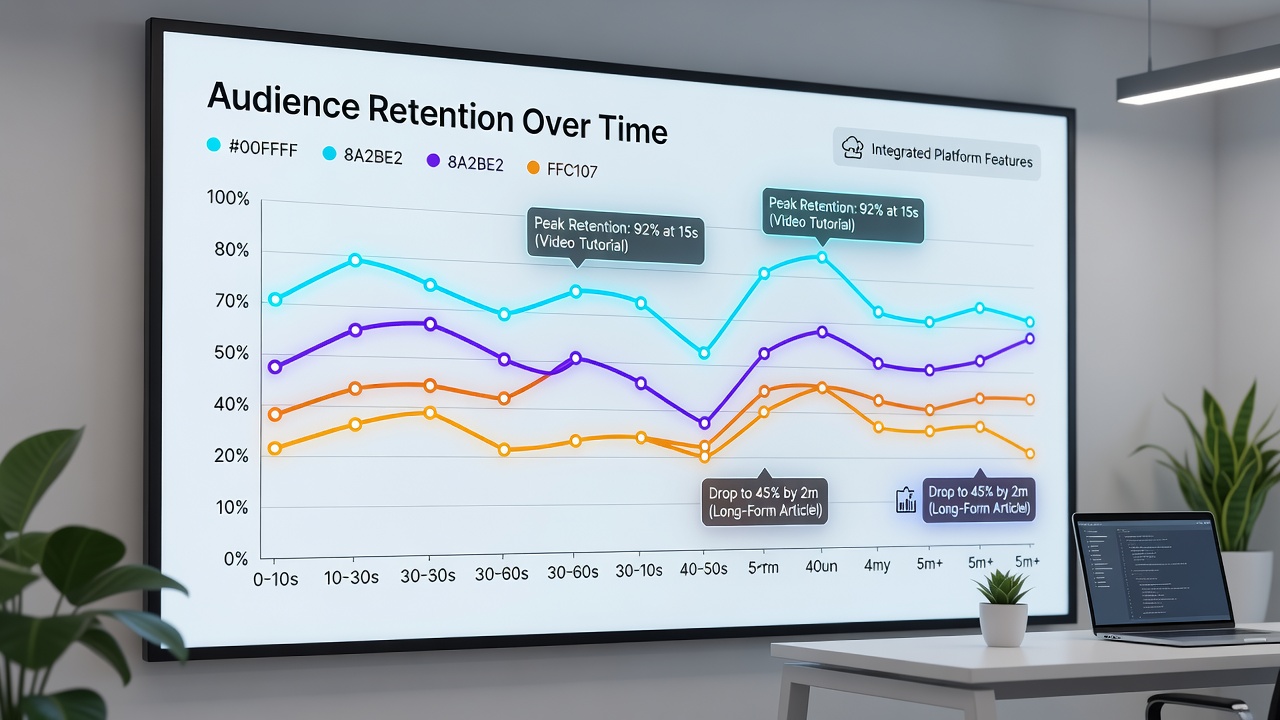
Digital publishing platforms now provide built-in analytics suites that track reader behavior across multiple touchpoints, and these features enable publishers to map retention patterns through metrics such as average session duration, scroll depth percentages, and return visit frequency while connecting data points from content management systems directly to audience databases. Researchers have documented how integrated tools reduce reliance on external software because they pull real-time information from page views, video completion rates, and newsletter open statistics into unified reports.
Core Metrics Tracked by Platform Analytics
Session duration serves as a primary indicator of retention since longer times on site correlate with higher engagement levels according to aggregated industry datasets, yet scroll depth reveals exactly where readers lose interest within individual articles and completion rates for embedded media highlight drop-off points that publishers can address through content adjustments. Return frequency data shows how often individuals revisit specific sections or topics, and platforms combine these figures with demographic filters to segment audiences by location, device type, and acquisition source.
Heatmap overlays generated within the same dashboard display click concentrations and mouse movement trails, allowing teams to identify which headlines or images hold attention longest, and this visual layer integrates with time-stamped event logs that timestamp every interaction without requiring separate tracking scripts. Data from these combined sources feeds into automated alerts when retention falls below established baselines for particular content categories.
Platform Integration Techniques
Content management systems such as those used by major independent sites connect directly to audience management modules so that user accounts, subscription status, and reading history update retention calculations automatically, and this linkage eliminates manual data exports that once delayed analysis cycles. API connections pull information from social sharing buttons and comment sections into the same retention reports, creating a fuller picture of how external referrals influence time spent on site compared with direct traffic.
Newsletter platforms integrated at the publishing layer record open rates alongside article read-through percentages, and these metrics merge with on-site behavior to show whether email subscribers maintain higher retention than casual visitors over multi-week periods. Video and audio embeds within articles feed completion percentages back to the central analytics engine, revealing format preferences that affect overall audience loyalty.
Practical Analysis Workflows
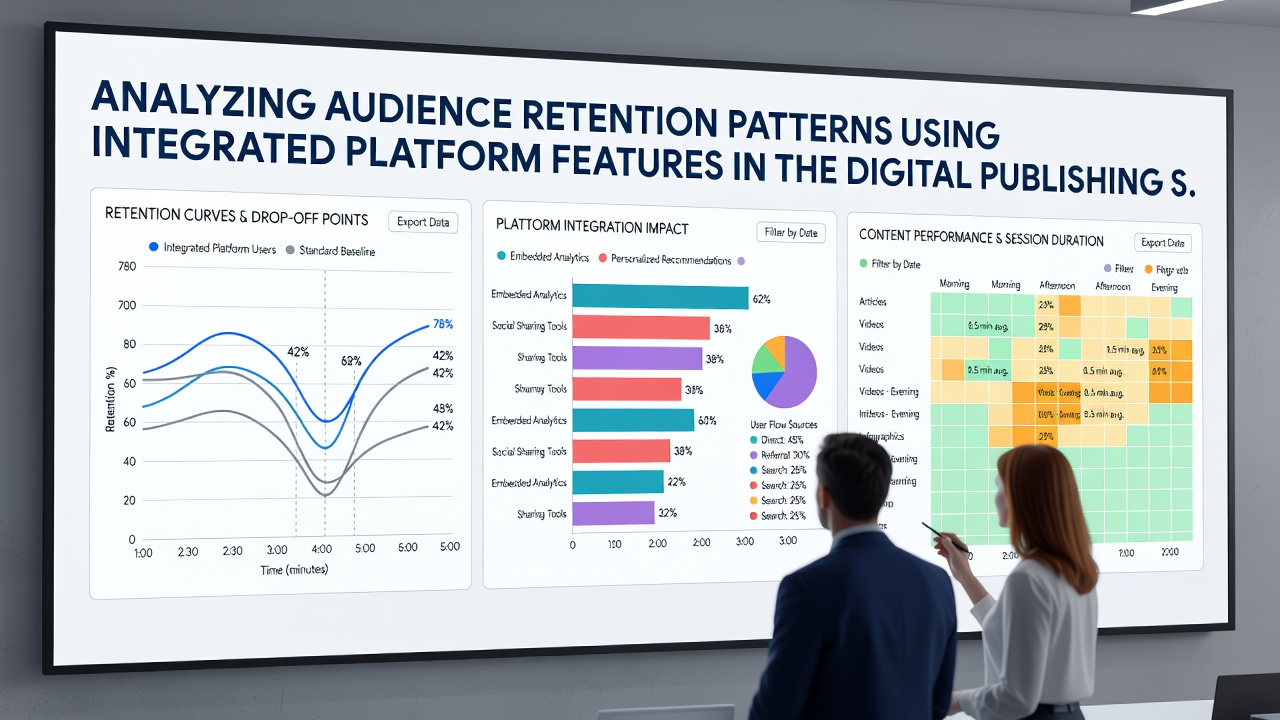
Publishers begin by establishing baseline retention figures for different content lengths and formats, then apply filters within the platform interface to compare performance across time periods or audience cohorts, and the resulting tables highlight patterns such as evening peaks in mobile reading or weekend declines in newsletter engagement. Cohort analysis tools built into these systems group readers by first-visit date and track their subsequent activity, showing how retention evolves after initial exposure to specific topics or series.
Segmentation by traffic source isolates organic search visitors from social referrals, and platforms display side-by-side retention curves that indicate which channels deliver audiences who stay longer or return more often. Event tracking tags placed on interactive elements like quizzes or expandable sections feed additional data points into the same reports, allowing precise measurement of how these features influence overall time on page.
Developments Expected by September 2026
Platform updates scheduled for release around September 2026 include enhanced machine learning modules that predict retention drops based on early reading signals, and these additions will integrate with existing dashboards so publishers receive automated suggestions for content tweaks while articles remain in draft stage. Cross-platform data sharing agreements between publishing tools and external measurement services will expand, enabling more accurate attribution of retention across apps, websites, and email without duplicating user identifiers.
Studies conducted by academic groups such as those affiliated with the Reuters Institute have tracked similar feature rollouts in prior years, and their findings show measurable lifts in reported retention when publishers act on integrated predictions. Regulatory frameworks in regions including the European Union continue to shape data handling practices, requiring platforms to maintain transparent consent flows that still support detailed retention analysis.
Conclusion
Integrated platform features have become the standard method for mapping audience retention because they consolidate multiple data streams into accessible interfaces that support ongoing content optimization. Publishers who utilize these tools gain clearer visibility into reader behavior across devices and channels, and the resulting insights drive adjustments that sustain engagement over repeated visits. As capabilities advance through 2026, the ability to analyze patterns in real time will remain central to effective digital publishing operations.